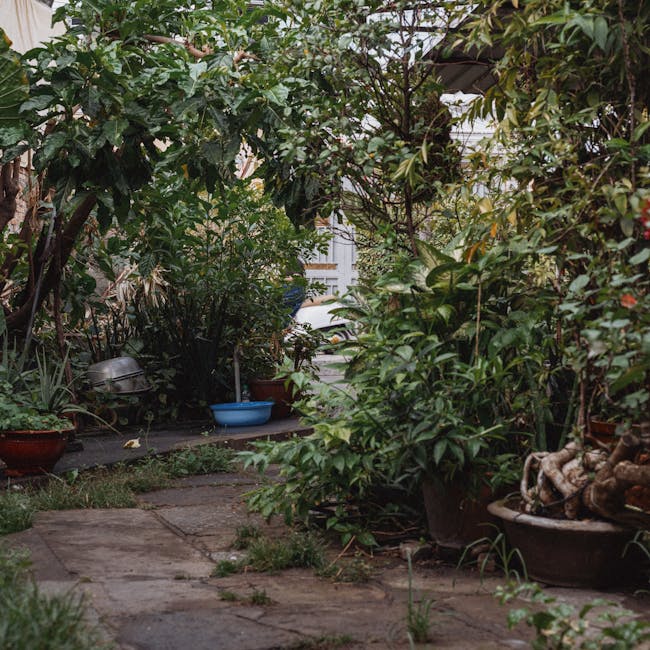
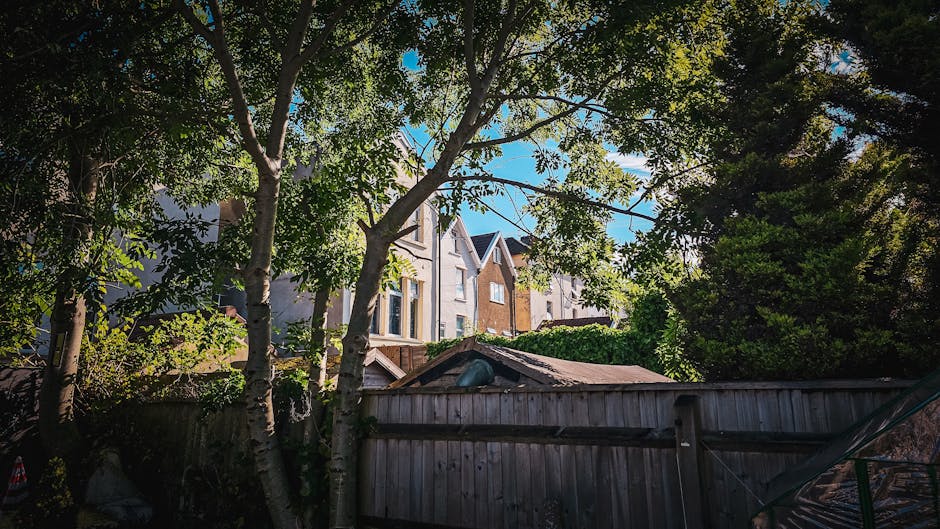
Best gardeners for Norwood Junction homes and patios
If you are searching for the best gardeners for Norwood Junction homes and patios, you probably want more than a quick grass cut and a polite wave on the way out. You want someone who understands tight London plots, awkward corners, shaded patios, busy family schedules, and the reality of keeping a garden looking good through rain, wind, and the odd burst of sunshine. That is the real job. Not just tidying up, but making the space work.
In Norwood Junction, outdoor spaces often need a practical eye as much as a creative one. A good gardener will spot drainage issues, overgrown edges, patio slime, tired lawns, and fences that are one storm away from becoming a problem. This guide breaks down what to look for, how the work should happen, and which services make the biggest difference for homes and patios in the area. A lot of it is common sense, to be fair, but common sense is often what saves money.
By the end, you will know how to judge value properly, avoid the usual mistakes, and choose the right help for a small back yard, a family garden, or a patio that has seen one too many winters.
Table of Contents
- Why this matters in Norwood Junction
- How the service works
- Key benefits and practical advantages
- Who needs it and when it makes sense
- Step-by-step guidance
- Expert tips for better results
- Common mistakes to avoid
- Tools, resources and recommendations
- Law, compliance, standards and best practice
- Options and comparison
- Real-world example
- Practical checklist
- Conclusion
- Frequently asked questions
Why Best gardeners for Norwood Junction homes and patios Matters
Norwood Junction homes often have gardens that need a bit of choreography. Space can be limited, boundaries close, and features packed in tightly. That means every square metre has to earn its keep. A decent gardener does not just maintain what is there; they help the garden feel calmer, brighter, and easier to live with.
Patios, in particular, are easy to neglect. One wet season and they can start looking patchy, stained, or slippery. A shaded patio may gather moss. A sunny one may crack, lift, or dry out surrounding plants. The right gardener sees the whole picture, not just the plant beds. They understand that outdoor comfort includes surfaces, access, privacy, and the way the space flows from the house.
There is also the simple matter of time. Many homeowners want a garden that looks cared for without spending every weekend wrestling with weeds. That is where structured upkeep matters. A service such as regular garden maintenance can be the difference between a garden that quietly slips downhill and one that stays tidy all year.
For homes near busy roads or rail lines, sound, dust, and wind can affect planting choices too. The best gardeners factor those realities into the plan. They are not guessing. They are adapting.
How Best gardeners for Norwood Junction homes and patios Works
Good garden care usually starts with observation. Before anyone touches a hedge trimmer or pressure washer, they should look at the site properly: sun exposure, soil condition, access points, hard landscaping, plant health, and what is causing the biggest pain right now. That sounds basic. It is basic. But it is where the best work starts.
From there, the job normally breaks into a few strands:
- Routine maintenance: mowing, edging, weeding, pruning, deadheading, and clearing debris.
- Plant health: feeding, watering plans, seasonal protection, soil improvement, and pest awareness.
- Patio and hard surface care: cleaning, weed removal from joints, moss reduction, and restoring the look of paving.
- Structure and boundaries: hedges, fences, trellises, and screening for privacy or safety.
- Design improvements: layouts, planting schemes, seating zones, and lower-maintenance upgrades.
For example, if your patio is the place you sit with a coffee on a cool morning, the work should focus not just on cleaning the slabs but also on making the whole corner feel usable. Maybe that means better edging, a few container plants, and light pruning to open the space up. That is the sort of detail a strong local gardener brings.
If your garden is more plant-heavy than patio-heavy, a broader service like professional gardening services gives you the flexibility to handle both routine care and one-off jobs without overcomplicating things.
And if lawns are the biggest issue, a specialist approach helps. lawn care and lawn mowing are not the same thing, even though people often use the terms interchangeably. Mowing keeps the grass under control; lawn care looks after health, density, colour, and resilience. Big difference, really.
Key Benefits and Practical Advantages
The right gardener does more than improve appearances. They make your outdoor space easier to enjoy and easier to maintain. That is the real win.
- Better first impressions: a neat frontage, trimmed edges, and a clean patio can lift the whole home.
- Lower long-term effort: regular care prevents the ugly scramble of a neglected garden recovery job.
- Safer surfaces: cleared paths and cleaned patios reduce slips, especially in damp weather.
- Healthier plants: proper pruning and feeding help plants cope better with shade, wind, and seasonal stress.
- More usable space: a garden feels bigger when it is organised properly.
- Better privacy: hedges, screening, and fencing can make a patio feel calmer and more private.
There is also a subtle benefit people often miss: a well-run garden changes how you use your home. Suddenly you step outside more. You sit down for ten minutes. You notice the scent of herbs after rain, or the way light moves across the paving in late afternoon. That sounds small, but it matters.
For properties that need more structure, related services such as landscaping, decking services, and fencing can turn a tired outdoor area into something genuinely usable. Not flashy. Just sensible and good-looking.
Who This Is For and When It Makes Sense
This kind of gardening support makes sense for a wide range of people, but the strongest fit is usually one of the following:
- Busy homeowners who want the garden kept in shape without constant weekend work.
- Families who need a safe, tidy, usable outdoor space for children and pets.
- Older residents who prefer reliable help for heavier or repetitive tasks.
- New owners who have inherited an overgrown plot and need a clear plan.
- Renters and landlords who need the property to present well.
- People with patios or courtyards that need cleaning, planting, and smarter use of limited space.
It also makes sense if your garden has one persistent issue that keeps coming back. Maybe the hedge is too high, the lawn keeps thinning, or the patio grows algae every winter. You do not necessarily need a full redesign. Sometimes the answer is targeted, disciplined maintenance.
In our experience, the "best" gardener is not always the one offering the biggest list of services. It is the one who understands your actual problem and does not overcomplicate it. A patio that needs cleaning, a border that needs reshaping, and a hedge that needs trimming are three different jobs, after all. Same garden, different fix.
Step-by-Step Guidance
If you are trying to choose the right gardener for a Norwood Junction home or patio, use a simple decision process. It saves time and avoids expensive guesswork.
- Identify the main issue. Is the priority maintenance, design, lawn health, patio restoration, or privacy?
- Walk the space properly. Look at the parts you ignore: shaded corners, fence lines, soil edges, drains, and narrow side return areas.
- List the tasks by urgency. Split them into now, soon, and later. That helps avoid a chaotic all-at-once approach.
- Check whether the job is cosmetic or structural. A dead border is a planting issue. A leaning fence or damaged tree is a different matter.
- Match the service to the issue. For example, use patio cleaning for slippery paving, or hedge trimming for boundary growth that is starting to swallow daylight.
- Ask how the work will be phased. Good gardeners think in stages, especially where access is tight or weather-sensitive tasks are involved.
- Request a realistic maintenance plan. You want something sustainable, not a dramatic overhaul that falls apart in six weeks.
A simple example: a patio area is shaded by a hedge and bordered by tired lawn. A practical sequence might be patio cleaning first, then hedge trimming, then lawn care, then any planting or edging improvements. That order makes the whole space easier to manage.
And if your garden includes a tree that is encroaching on the house, path, or neighbour boundary, that should be handled carefully by a suitable tree surgery service rather than treated as ordinary pruning. Trees have their own rules, so to speak.
Expert Tips for Better Results
Small decisions make a surprisingly large difference in gardens like these. The best results usually come from practical detail, not expensive flair.
1. Keep the patio simple and deliberate
A patio looks better when it is not trying to be too much at once. Choose a small number of container plants, keep furniture scaled to the space, and leave room to move comfortably. If the paving is clean but the layout feels cluttered, the whole area still reads as messy.
Ideas from garden seating arrangement tips can help if you want an outdoor space that feels intentional rather than squeezed in.
2. Think in layers for privacy
Privacy does not have to mean a big wall-like barrier. Hedges, climbers, fencing, and even well-placed planting can work together. In small gardens, layered screening usually feels softer and less oppressive than one tall fix.
3. Treat weeds early
Leaving weeds "for next weekend" is how next weekend turns into next month. It happens. If the border is already busy, use a steady approach and do not let roots settle. The blog guide on tackling weeds is a useful reminder that persistence beats panic.
4. Use planting that suits the site
Patios can be hot, reflective, and dry. Other parts of the garden may be windy or heavily shaded. Plants should match the conditions, not fight them all summer. If you want greenery that performs in tighter spaces, container planting and vertical features can be very effective.
The guide on container gardening and the piece on vertical gardens are both useful if you are working with a patio or compact yard.
5. Make maintenance easier from the start
A genuinely good garden is one you can keep going. That means sensible plant choices, clear edges, easy access for tools, and not too many awkward dead zones. The best designs are usually the ones that look calm because they are easy to live with.
Common Mistakes to Avoid
Garden projects often go wrong in the same few ways. None of this is dramatic, but it can waste time and money if you are not careful.
- Choosing appearance over practicality: a garden that looks good for two weeks and fails after that is not a win.
- Ignoring drainage or shade: if water sits on the patio or the lawn never sees enough light, the problem will keep coming back.
- Cutting hedges too harshly: hard cuts can leave ugly gaps and stress the plant.
- Using the wrong service for the job: mowing is not lawn care; cleaning is not restoration; pruning is not tree surgery.
- Leaving ivy or climbers unchecked: they can become a nuisance fast. Really fast, sometimes.
- Forgetting the boundary areas: fence lines, side returns, and corners are where neglect usually begins.
Another common mistake is trying to do everything in one go after months of neglect. That usually creates fatigue and a half-finished result. Better to stage the work properly, especially if there is a lot of clearing involved. A "rebirth" of the garden works best when it is paced, not rushed.
If overgrowth is the issue, a focused approach to restarting a garden can be more sensible than jumping straight into planting.
Tools, Resources and Recommendations
You do not need a van full of equipment to manage a typical Norwood Junction garden well, but the right tools and habits make a big difference. A good gardener will usually bring the basics needed for cutting, edging, clearing, feeding, and clean finishing.
Useful equipment often includes:
- sharp hand tools for light pruning and deadheading
- a mower suited to the lawn size and access
- hedge tools for shaping rather than hacking
- weeding tools for borders and paving joints
- pressure or surface cleaning equipment for patios where appropriate
- feed, mulch, compost, and soil improvers for plant health
For homeowners who like to stay involved, the guide to key outdoor gardening tools is a practical place to start. It helps you understand what good work looks like, even if you are not doing the job yourself.
Soil improvement also matters more than most people realise. If the ground is tired, compacted, or low in organic matter, plants struggle no matter how nice they look in the pot. The article on organic waste-derived soil gives a good sense of why healthy soil is the quiet engine of a better garden.
And if your garden takes a battering from the weather, it helps to plan for it. Wind, heavy rain, and cold snaps all affect patios and planting. The guides on weather protection and wind damage protection are worth a look if your space feels exposed.
Law, Compliance, Standards, and Best Practice
For most home garden work, there is no complicated compliance maze. Still, there are sensible UK best-practice points that a trustworthy gardener should respect.
- Waste handling: green waste should be disposed of responsibly, not dumped or left in a neighbour-facing mess.
- Neighbour boundaries: hedge and fence work should be done carefully, especially where ownership or access may be shared.
- Tree work: anything significant involving trees should be treated as specialist work, with proper care around safety and structure.
- Slippery surfaces: patios and paths should be cleaned in a way that improves safety without damaging the surface.
- Plant and wildlife awareness: nesting birds and other seasonal wildlife can affect timing for some cuts and clearances, so a careful gardener will pause when needed.
There is also a general standard of professionalism worth expecting: tidy finishes, clear communication, sensible scheduling, and no cutting corners. You do not need legal jargon. You need confidence that the person on site understands what they are doing and respects the property.
One more point, because it gets overlooked: a good gardener should explain what they are doing in plain English. If they cannot explain why a hedge is being shaped one way, or why a lawn needs a different treatment, that is not ideal. It should be clear enough that you feel comfortable, not puzzled.
Options, Methods, or Comparison Table
If you are deciding which type of help you need, this comparison can make things clearer. It is not about "best" in the abstract. It is about the right fit for the job in front of you.
| Service or method | Best for | Typical outcome | When to choose it |
|---|---|---|---|
| Garden maintenance | Ongoing tidy-up and upkeep | Regularly neat garden, fewer small problems | When you want consistency more than a one-off fix |
| Lawn care | Patchy, tired, or thinning grass | Healthier, more resilient lawn | When mowing alone is not improving the turf |
| Patio cleaning | Slippery, stained, or dull paving | Safer, brighter patio surface | When the hard landscaping looks tired or green |
| Hedge trimming | Privacy, neat boundaries, shape control | Cleaner lines and better light access | When hedges are blocking views or spreading too far |
| Landscaping | Layout changes and bigger improvements | More usable, attractive outdoor design | When the garden needs more than maintenance |
For smaller spaces, a few targeted improvements often beat a full redesign. A clean patio, a trimmed hedge, and properly managed plants can do a lot of heavy lifting. A lot. More than people expect, anyway.
Case Study or Real-World Example
Picture a typical Norwood Junction property: a modest rear garden, a paved sitting area, a border running along one side, and a hedge that has slowly become more ambitious than anyone intended. The patio is a bit slippery after rain. The lawn is thin in one corner because of shade. The garden still has good bones, but it feels tired.
A sensible plan would not start with major construction. It would start with clarity:
- clear the patio and improve traction
- trim the hedge to bring in more light
- check the lawn and decide whether it needs mowing, feeding, or fuller lawn care
- remove weeds from borders and edges
- replace a few awkward plants with tougher, better-suited options
Once those basics are handled, the space changes fast. The patio feels larger. The garden looks cleaner from the back door. You can walk across it without mentally planning your route. And that matters. When a garden stops being a chore, people use it more.
If the area also needs a little more privacy, a small screening strategy can help. That may involve boundary planting, better hedge structure, or even a fencing upgrade where appropriate. The important thing is that each element supports the others instead of fighting for space.
Honestly, that is often the difference between a garden that merely exists and one that actually gets enjoyed.
Practical Checklist
Use this quick checklist before booking garden work for a Norwood Junction home or patio:
- Have I identified the main problem clearly?
- Is the issue mainly maintenance, cleaning, planting, or design?
- Do I need help with lawn, patio, hedge, tree, or boundary work?
- Have I looked at the whole space, including corners and side access?
- Do I know which tasks need doing now and which can wait?
- Would regular upkeep solve the issue better than a one-off rescue job?
- Is the work likely to affect neighbours or shared boundaries?
- Do I want the garden to be easier to maintain long term?
- Have I considered weather, shade, and drainage?
- Do I want the space to feel more private, safer, or more usable?
Expert summary: the best outcome usually comes from matching the right service to the right problem, then building a simple maintenance rhythm after the initial fix. That is what keeps a garden looking good after the first tidy-up glow has faded.
Conclusion
Choosing the best gardeners for Norwood Junction homes and patios is really about finding practical skill, local awareness, and a steady approach to care. The right gardener will help you balance appearance with usability, and they will understand that a patio, lawn, hedge, or border all need different treatment. That is the bit people sometimes miss.
When you work with someone who thinks clearly, communicates plainly, and respects the realities of London garden life, the whole place becomes easier. Less stress. Less patchy maintenance. More room to sit, breathe, and enjoy the space you already have.
If your garden is overdue for a reset, start with the biggest pain point and work outward. Small, sensible improvements can go a long way, and a well-kept outdoor space has a way of making home feel lighter. Not perfect. Just better, and that is enough.
Get a free quote today and see how much you can save.
Frequently Asked Questions
What should I look for in the best gardeners for Norwood Junction homes and patios?
Look for someone who understands both planting and hard surfaces, can explain their approach clearly, and offers the services your space actually needs. Local experience helps, especially with compact gardens and weather-exposed patios.
Do I need a gardener or a landscaper for my patio?
If the patio mainly needs cleaning, edging, planting, or routine care, a gardener may be enough. If you want a layout change, new levels, decking, or a more structural redesign, landscaping is usually the better fit.
How often should a garden in Norwood Junction be maintained?
It depends on the size and planting style, but many gardens benefit from regular visits during the growing season. Faster-growing hedges, lawns, and borders usually need more frequent attention than low-maintenance spaces.
Is patio cleaning safe for all paving types?
Not always. Some surfaces need a gentler approach than others. A good gardener or cleaning specialist should choose a method that removes grime without damaging joints, coatings, or softer stone.
What is the difference between lawn mowing and lawn care?
Lawn mowing keeps grass at the right height. Lawn care goes further and may include feeding, scarifying, aeration, weed control, and treatment for thinning or patchy areas.
Can a gardener help with overgrown hedges and privacy screening?
Yes. Hedge trimming is often the first step, and it can be paired with fencing, planting, or climbers if you want better privacy without making the garden feel boxed in.
What if my garden has very little space?
Small gardens often benefit the most from careful design. Container planting, vertical growth, tidy edging, and multi-use seating areas can make a compact patio or yard feel surprisingly spacious.
Are tree branches near my house a job for a gardener?
Minor shaping may be fine in some cases, but larger or riskier tree work should be handled as specialist tree surgery. If branches are close to the roof, fencing, or power lines, caution is essential.
How do I know whether I need one-off work or regular maintenance?
If the garden keeps slipping back into the same condition, regular maintenance is usually the smarter choice. If the problem is a one-time reset after a period of neglect, a larger initial visit may be enough to get things back under control.
What are the most useful upgrades for a patio garden?
Clean paving, proper edging, better planting containers, simple seating, and improved privacy are often the most effective upgrades. They make the patio more usable without crowding it.
How can I keep my garden easier to manage through the year?
Choose plants that suit the light and soil, keep on top of weeds, avoid overcrowding, and build a simple maintenance rhythm. A few small jobs done regularly are much easier than one huge rescue later.
Can I combine gardening, fencing, and decking work in one project?
Yes, and it often makes sense to do so if the garden needs a more joined-up finish. Combining services can help create a cleaner layout, better privacy, and a more usable outdoor area.
If you want the garden to feel calmer, cleaner, and easier to enjoy, the right help makes all the difference. A good outdoor space is rarely an accident. It is usually a series of thoughtful decisions, made one sensible step at a time.